A technician reaches into a jammed conveyor belt. The machine powers on unexpectedly. In seconds, a life changes forever. This isn’t hypothetical—it’s a reality in workplaces where tagout and lockout procedures are ignored, misunderstood, or poorly implemented.
Lockout and tagout (LOTO) isn’t just paperwork or a compliance formality. It’s a systematic, life-preserving protocol designed to isolate hazardous energy sources and prevent accidental machine startups during servicing or maintenance. When done correctly, LOTO saves limbs, lives, and companies from devastating legal and financial fallout.
Yet, studies show that LOTO violations consistently rank among OSHA’s top 10 most cited standards. Why? Because execution falters—not from malice, but from complacency, poor training, or ambiguous procedures. This guide cuts through the noise to deliver a clear, actionable framework for effective tagout and lockout procedures.
What Are Lockout and Tagout Procedures?
At its core, lockout and tagout is a two-part safety system:
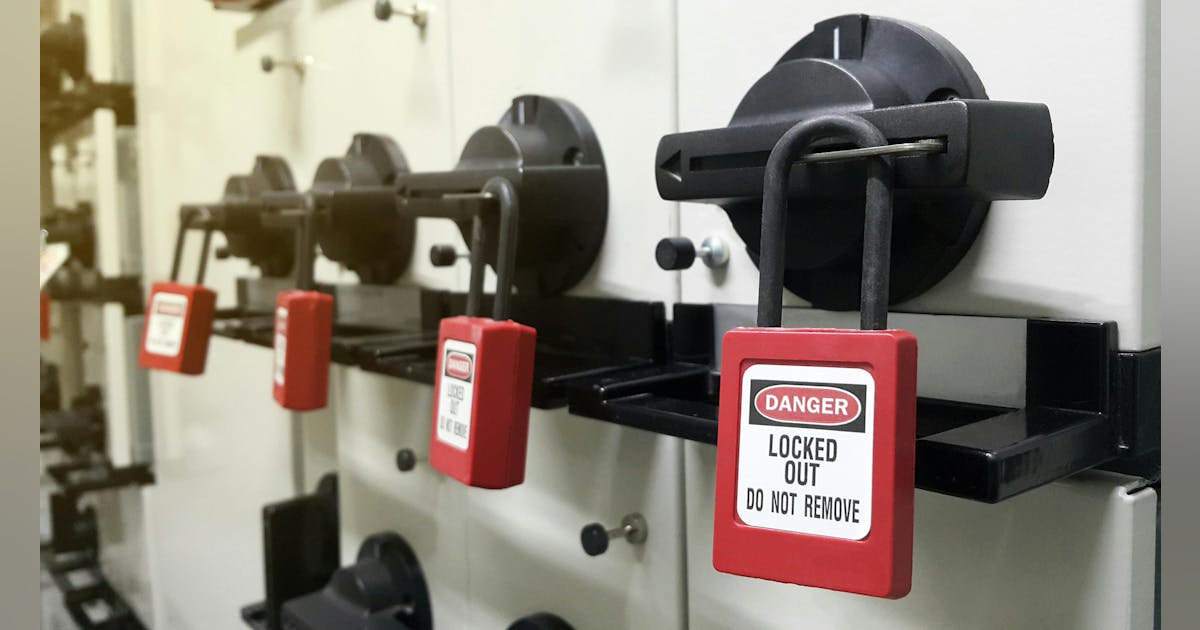
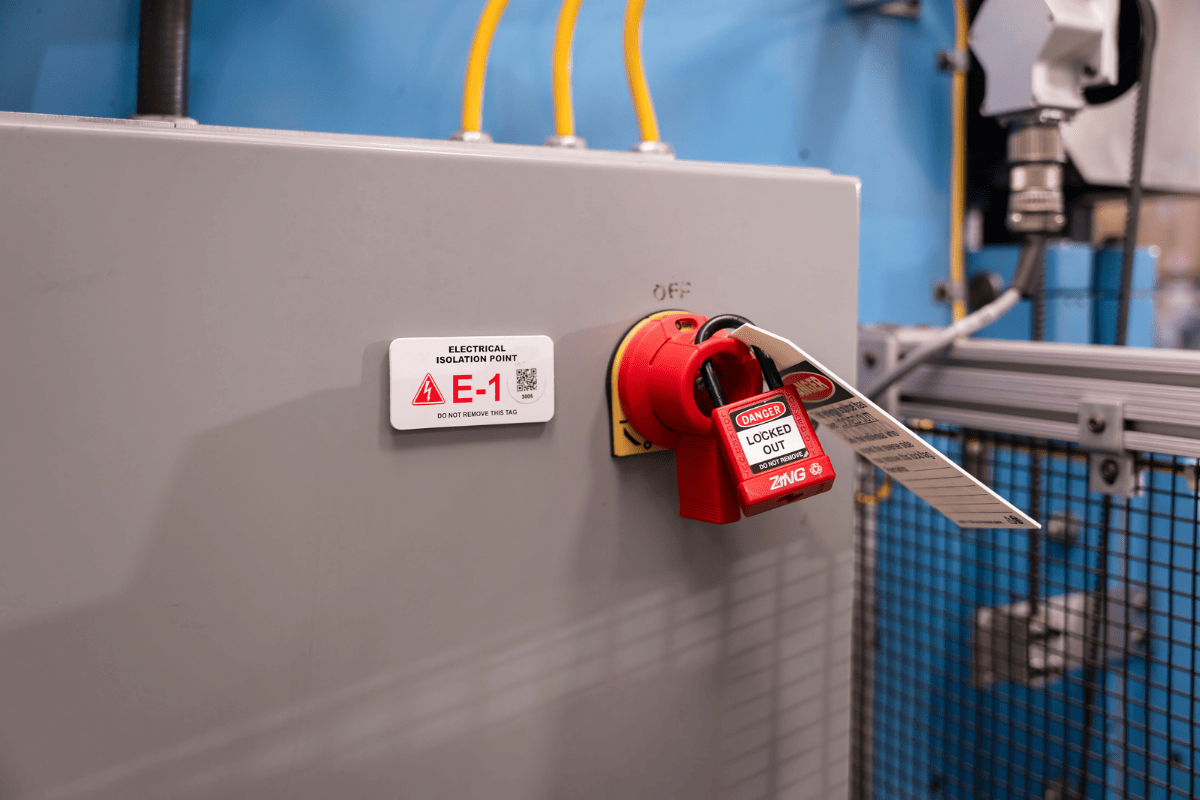
- Lockout involves physically securing energy-isolating devices—like circuit breakers, valves, or disconnect switches—with a lock to prevent re-energization.
- Tagout means placing a durable, standardized warning tag on the locked device, indicating who applied it, why, and when.
Together, they form an energy control procedure (ECP) that ensures machines are de-energized and stay de-energized during maintenance.
The Legal and Safety Foundation
OSHA 29 CFR 1910.147 is the governing standard in the U.S., requiring employers to establish procedures for controlling hazardous energy. Noncompliance can result in fines up to $15,625 per violation—and that’s before factoring in workers’ compensation claims or downtime from preventable incidents.
But beyond compliance, LOTO prevents real-world harm. According to the National Safety Council, nearly 10% of all workplace fatalities are linked to uncontrolled energy release. The majority occur during routine servicing, not catastrophic failures.
The 6-Step Lockout/Tagout Procedure (with Real-World Application)
Following a standardized sequence reduces human error and ensures consistency. Here’s the OSHA-recommended process, enhanced with field-tested insights.
1. Prepare for Shutdown
Before touching any equipment, maintenance teams must identify all energy sources: electrical, hydraulic, pneumatic, chemical, thermal, or gravitational.
Example: A press machine may have electrical power, compressed air lines, and a mechanical flywheel storing kinetic energy. Each requires isolation.
Teams should review the site-specific LOTO procedure, which includes energy source diagrams and required tools (e.g., lockout hasps, circuit breaker locks).
2. Notify Affected Personnel
Communication is critical. Operators, supervisors, and nearby workers must be informed that maintenance is beginning and that equipment will be taken offline.
Mistake to avoid: Assuming everyone “knows” the schedule. Always confirm verbally or via a work order system.
3. Shut Down the Equipment
Use normal operating controls to power down the machine. This ensures all systems follow their standard shutdown sequence.

Tip: Never assume shutdown equals safe. Machines can still hold residual energy. For instance, capacitors in electrical systems may retain charge for hours.
4. Isolate Energy Sources
This is the physical lockout phase. Apply locks and tags to every energy-isolating device.
Use individual locks—each worker on the job applies their own. This follows the “one person, one lock, one key” principle. Group lockout boxes are acceptable when multiple workers are involved, but each person must still place their personal lock on the box.
Common failure: Using a single lock for multiple energy sources. Rule: one lock per isolation point.
5. Control Residual Energy
Even after isolation, stored energy can be deadly. Bleed lines, block raised parts, discharge capacitors, or allow hot components to cool.
Field case: A worker servicing a hydraulic press failed to relieve line pressure. When loosening a fitting, high-pressure fluid injected into his hand—causing permanent nerve damage.
Always verify zero energy state: test switches, measure voltage, or use pressure gauges.
6. Apply Tags and Verify Isolation
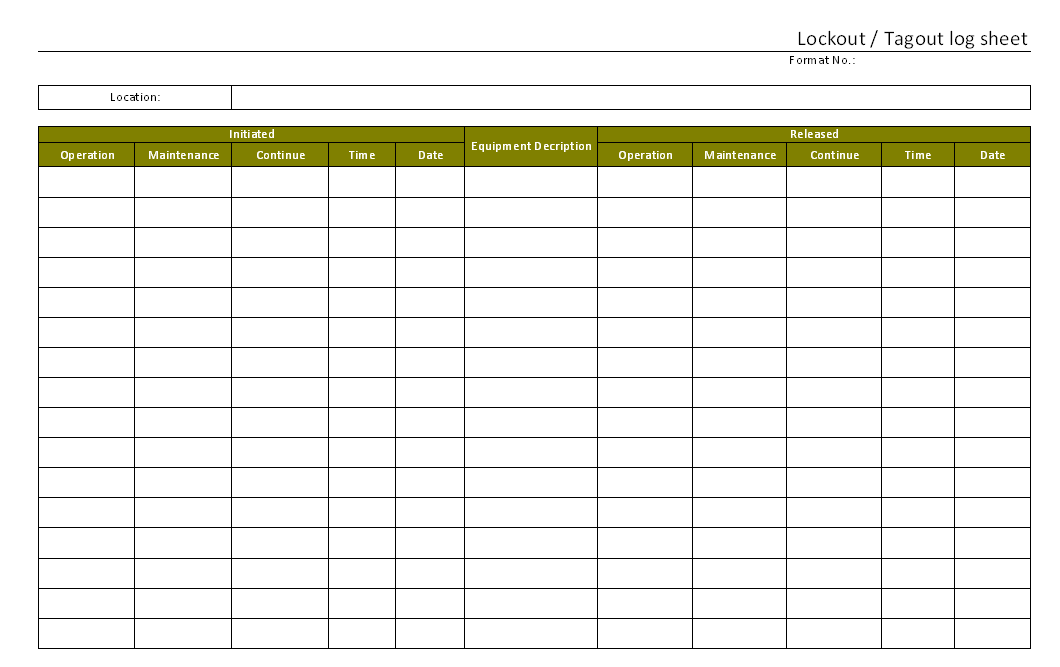
Tagout devices must include: - Name of authorized employee - Date and time of application - Reason for lockout - Contact information
Then, attempt to restart the machine using normal controls. If properly locked out, nothing should happen. This verification step is non-negotiable.
Tagout vs. Lockout: Understanding the Critical Difference
While often used interchangeably, tagout alone is not as protective as lockout.
| Feature | Lockout | Tagout |
|---|---|---|
| Physical restraint | Yes (lock prevents operation) | No |
| Warning indicator | Optional but common | Required (tag must be present) |
| OSHA preference | Required where feasible | Allowed only if lockout isn’t possible |
| Risk level | Lower | Higher |
OSHA permits tagout only when energy-isolating devices cannot be locked out. Even then, additional safety measures—like beam guards, removal of drive belts, or continuous supervision—are required.
Practical takeaway: If a disconnect switch has a hasp, use a lock. If it’s a twist-off valve without a locking point, a tag alone may be allowed—but only after a thorough risk assessment.
Common LOTO Mistakes That Lead to Accidents
Even experienced teams slip up. These recurring errors undermine LOTO effectiveness:
- Skipping the verification step – Assuming isolation worked without testing.
- Using master keys or shared locks – Defeats the purpose of personal accountability.
- Tagging without locking – Especially when lockout is possible.
- Poor tag quality – Faded, handwritten, or non-durable tags get ignored.
- Rushing re-energization – Removing locks before all tools are clear and workers are at a safe distance.
One plant technician removed his lock after completing his task, not realizing a colleague was still inside a robotic cell. The machine powered on during cleanup—nearly resulting in a fatality.
The fix? Implement a lockout clearance checklist signed by all authorized employees before re-energization.
Industry-Specific LOTO Challenges and Solutions LOTO isn’t one-size-fits-all. Different environments demand tailored approaches.
Manufacturing High-mix production lines often mean frequent changeovers. The risk? Workers shortcutting LOTO during quick adjustments.
Solution: Quick-change tooling with integrated lockout points. Train teams to treat every setup as a LOTO event—even if it takes 90 seconds.
Utilities and Energy Power plants deal with complex energy systems: high-voltage switchgear, steam lines, turbines.
Solution: Use color-coded lockout stations and digital work permits synchronized with maintenance scheduling software.
Construction Equipment like excavators or cranes may have multiple energy sources and be moved between sites.
Solution: Mobile LOTO kits containing universal locks, tags, and valve covers. Each crew carries its own.
Training and Compliance: Building a LOTO Culture
A procedure is only as strong as the people executing it. OSHA requires retraining every 12 months and after any procedural change.
But compliance training isn’t enough. Effective LOTO programs include:
- Hands-on drills – Simulate lockout scenarios with real equipment.
- Audits – Monthly spot checks with a LOTO audit checklist.
- Empowerment – Workers must feel safe stopping work if LOTO isn’t followed.
One steel mill reduced LOTO incidents by 78% after introducing peer-led safety huddles where technicians review near-misses and demonstrate proper tagging.
LOTO Tools and Equipment You Need
Having the right gear ensures consistency and durability. Here are essential items:
- Personal Lockout Locks – Durable, keyed-alike or keyed-different locks with employee identification.
- Lockout Hasps – Allow multiple locks to be applied to a single isolation point.
- Valve Lockouts – Fit over gate, ball, or lever valves to prevent opening.
- Circuit Breaker Lockouts – Secure breakers in the off position.
- Group Lockout Stations – Centralized boxes for multi-person jobs.
Invest in standardized kits—color-coded by department or energy type—to prevent confusion.
Real-World LOTO Success: A Case from an Automotive Plant
At a Michigan assembly plant, a routine brake press maintenance led to a serious injury when a supervisor bypassed lockout to “just check alignment.” The press cycled, crushing the technician’s hand.
The aftermath: - OSHA fine: $92,000 - Downtime: 3 days - Morale plummeted
The turnaround: - Implemented a digital LOTO system with scan-to-lock tablets - Required dual verification for high-risk machines - Introduced a “Stop Work Authority” policy
Result: Zero LOTO-related incidents in the next 36 months.
Final Steps: Making LOTO Stick
Tagout and lockout procedures work—but only when they’re embedded in daily operations. Start by auditing your current LOTO program against OSHA 1910.147. Update procedures for every machine. Train every authorized and affected employee. And most importantly, lead by example: when leadership follows LOTO, so will the team.
Your next maintenance cycle shouldn’t be a gamble. Lock it, tag it, verify it—every time.
Frequently Asked Questions
What is the difference between authorized and affected employees in LOTO? Authorized employees perform maintenance and apply locks. Affected employees operate or use the equipment but don’t service it.
Can a tag be used instead of a lock? Only if the equipment can’t be locked out. Tagout requires additional safety measures and is less secure.
How many energy sources must be controlled? All sources—electrical, mechanical, hydraulic, pneumatic, chemical, thermal, or gravitational.
Who can remove a lockout device? Only the authorized employee who applied it, unless under a formal removal procedure involving supervision and verification.
What should a tag include? Employee name, date, time, reason for lockout, and contact information.
Do LOTO procedures apply to corded plug-in equipment? Yes, if the plug is under the exclusive control of the worker and clearly unplugged and tagged.
How often should LOTO procedures be reviewed? Annually, or whenever equipment, processes, or personnel change.
FAQ
What should you look for in Tagout and Lockout Procedures That Save Lives on the Job? Focus on relevance, practical value, and how well the solution matches real user intent.
Is Tagout and Lockout Procedures That Save Lives on the Job suitable for beginners? That depends on the workflow, but a clear step-by-step approach usually makes it easier to start.
How do you compare options around Tagout and Lockout Procedures That Save Lives on the Job? Compare features, trust signals, limitations, pricing, and ease of implementation.
What mistakes should you avoid? Avoid generic choices, weak validation, and decisions based only on marketing claims.
What is the next best step? Shortlist the most relevant options, validate them quickly, and refine from real-world results.