A blown fuse. A tripped circuit. A technician reaches for the breaker—instinctively flipping it back on. Seconds later, a millworker’s arm is caught in unguarded machinery. This isn’t hypothetical. It’s a real-world failure of energy control, preventable with one simple device: the lock out tag breaker lock.
These compact, high-impact tools are central to Lockout/Tagout (LOTO) programs. They physically prevent circuit breakers from being re-energized during maintenance, protecting workers from unexpected startups and stored energy release. Despite their size, their role in industrial and commercial safety is massive—especially in environments where electrical panels are shared or accessed by multiple personnel.
This isn’t just about compliance. It’s about creating a culture where a broken circuit stays broken—until it’s safe to restore.
What Exactly Is a Lock Out Tag Breaker Lock?
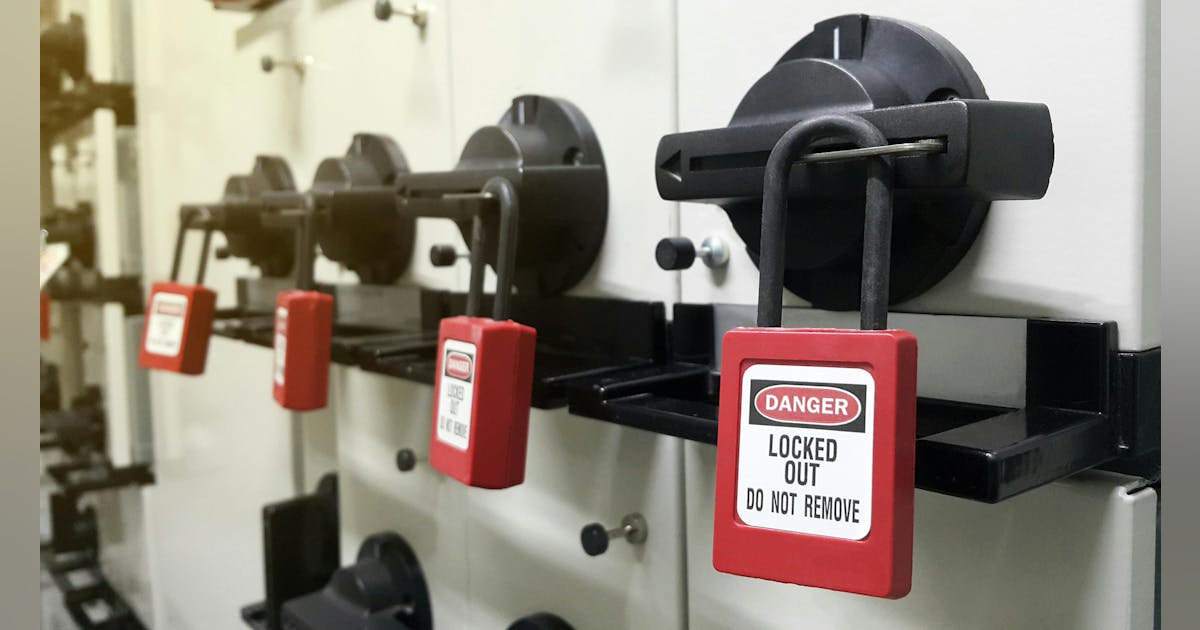
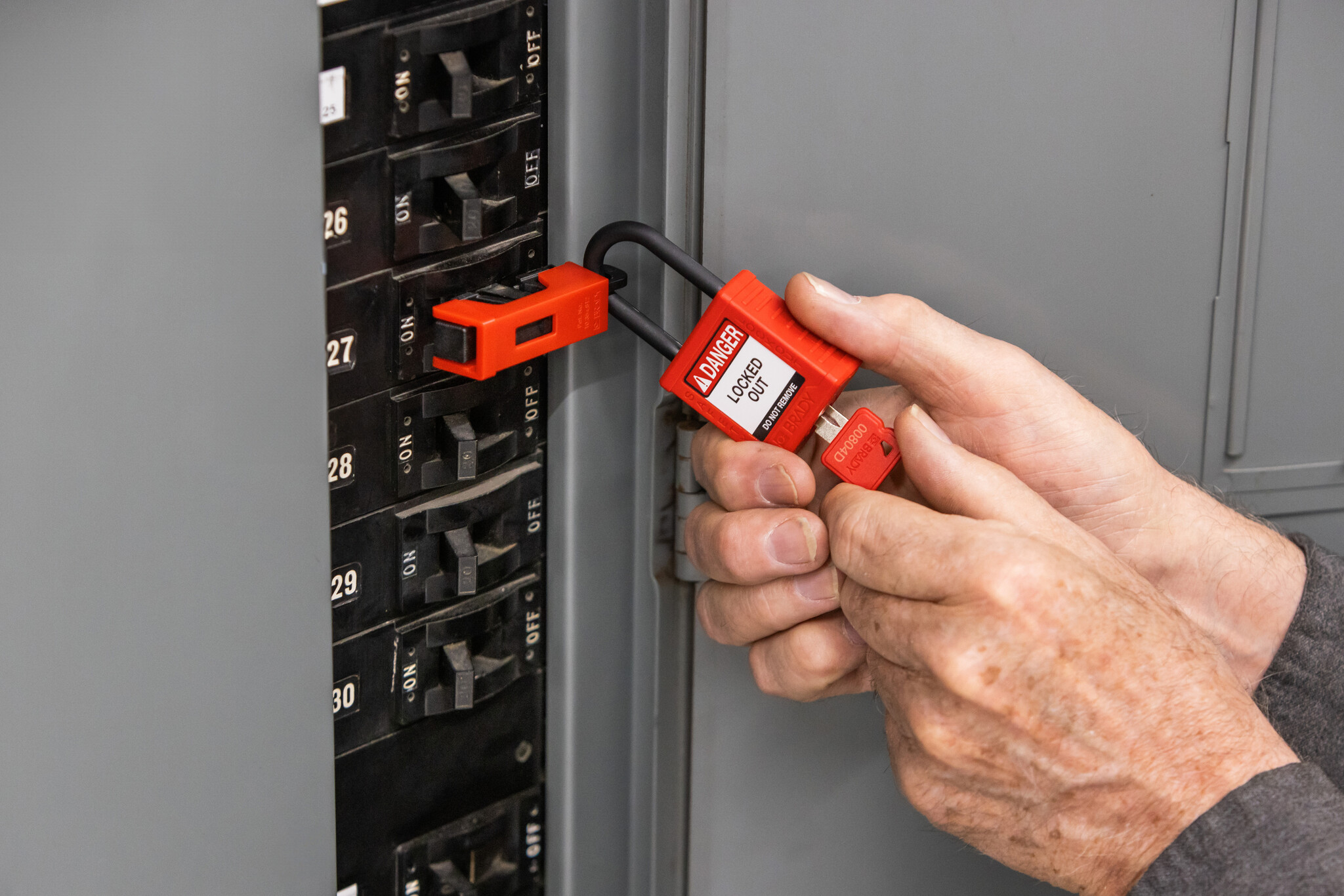
A lock out tag breaker lock is a safety device designed to secure a circuit breaker in the “off” position. It fits over the switch lever, preventing it from being toggled back on without deliberate, authorized action. Most models are made from durable polymers or reinforced nylon, engineered to resist impact, heat, and tampering.
Unlike standard padlocks, these devices are shaped to match breaker profiles—common configurations include: - Single-pole breaker locks - Multi-pole breaker lockouts - Universal swing-lock designs - Bolt-on or clip-on variants
They work in tandem with lockout hasps, tags, and employee-specific locks. When installed, a worker places their personal lock on the device, ensuring only they can re-energize the circuit. This personal accountability is key to OSHA’s energy control standards.
Common use case: An HVAC technician servicing a rooftop unit installs a lockout breaker lock on the building’s main disconnect panel. Without that lock, a night-shift janitor unaware of the repair might restore power—potentially causing electrocution or mechanical startup.
Why Standard Locks Fail Where Breaker Locks Succeed
Many maintenance teams attempt shortcuts—using zip ties, duct tape, or generic padlocks to immobilize breaker handles. These methods fail under scrutiny and in real emergencies.
| Method | Risk Level | OSHA Compliance | Reusability |
|---|---|---|---|
| Zip Tie | High | No | Single-use |
| Duct Tape | Extreme | No | Not applicable |
| Padlock on Handle | Medium | Conditional | Moderate |
| Breaker Lockout Device | Low | Yes | High |
Generic padlocks, even when threaded through a handle, can slip or be removed with pliers. They lack structural stability and don’t conform to the breaker’s shape. In contrast, purpose-built breaker lockouts are molded to the equipment, creating a mechanical barrier that resists both accidental and intentional override.
A 2022 incident report from a Midwest manufacturing plant highlights this: a maintenance worker was injured when a colleague bypassed a taped-off breaker during a shift change. The tape offered no resistance. A proper lockout device would have required a key—delaying restoration and prompting communication.
Key Features to Look for in a Quality Breaker Lockout
Not all lockout devices are created equal. When selecting a lock out tag breaker lock, prioritize the following:
1. Universal Compatibility The best models fit multiple breaker brands (Siemens, Square D, GE, etc.) and pole configurations. Look for adjustable arms or modular inserts that adapt to different switch sizes.
2. Clear Tagging Area A built-in slot or loop for lockout tags ensures critical information—worker name, date, equipment ID—is visible. Tags reinforce the “why” behind the lock, especially during shift transitions.
3. Durability Under Stress Tested for impact resistance (e.g., IK08 rating) and temperature stability (-20°C to 80°C). Devices used in industrial facilities must withstand grease, moisture, and vibration.
4. Single-Handed Installation Technicians often work in tight electrical panels. A design that clips or swings into place with one hand improves compliance and reduces fumbling.
5. Color-Coding Options Available in red, yellow, or blue to align with internal safety protocols. Red typically signals “do not operate,” while yellow may indicate caution or maintenance in progress.
Top 5 Lock Out Tag Breaker Locks in Use Today
Choosing the right model matters. Here are five widely trusted options based on performance, adoption, and compliance alignment:
| Product | Key Feature | Best For | Material |
|---|---|---|---|
| Grace Engineered LOTO-2B | Universal fit for 1–3 pole breakers | Multi-vendor environments | Reinforced nylon |
| Safeguard SGL100 | One-handed swing lock | Tight panel spaces | UV-resistant polymer |
| Bernard LT-1 | Stackable for group lockout | Crew maintenance | High-impact plastic |
| Ideal Industries 65-025 | Affordable, compact design | Small businesses, HVAC | Nylon 6/6 |
| Polaris PBK Series | Bolt-on stability for high-vibration areas | Industrial motors, plants | Glass-filled polypropylene |
Each of these has proven effective in real-world applications. The Grace LOTO-2B, for example, is favored in facilities with mixed electrical systems due to its wide compatibility. Meanwhile, the Bernard LT-1 supports group lockout procedures—allowing multiple technicians to apply individual locks to a single device.
How to Implement Breaker Locks in Your LOTO Program
Installing a lockout device is simple. Integrating it into a reliable safety workflow is harder. Follow these steps to ensure effectiveness:
Step 1: Identify All Energy Sources Map every circuit that powers the equipment. Don’t overlook auxiliary breakers or remote disconnects.
Step 2: Shut Down and Isolate Turn off the breaker at the source. Verify de-energization using a voltage tester—never assume.
Step 3: Apply the Lockout Device Clip or swing the lockout over the breaker handle. Secure it with a personal padlock.
Step 4: Attach a Tag Include your name, department, date, and reason for lockout. Example: “J. Rivera – Motor alignment – Do not re-energize until 3 PM.”

Step 5: Verify Zero Energy Test the equipment to confirm it cannot start. This is the final, non-negotiable check.
“A lockout without verification is just theater.” — Industrial Safety Review, 2023
Common mistakes include skipping tag placement, using shared locks, or failing to isolate secondary energy (hydraulic, pneumatic, etc.). True safety requires diligence at every step.
OSHA Compliance and the Role of Breaker Locks
OSHA’s 29 CFR 1910.147 outlines the Control of Hazardous Energy, mandating that employers implement LOTO procedures. Breaker lockout devices are not optional accessories—they are essential components of compliance.
Key OSHA expectations: - Each authorized employee must have a personal lock - Locks must be standardized (color, shape, size) - Tags must include employee ID and reason for lockout - Devices must prevent re-energization without force or tool use
Failure to comply risks fines upward of $15,000 per violation. More importantly, it endangers lives. OSHA reports that 10% of workplace fatalities in manufacturing involve uncontrolled energy—many preventable with proper lockout.
Using a proper lock out tag breaker lock demonstrates due diligence. It’s not just about avoiding penalties; it’s about proving you’ve engineered safety into your process.
Real-World Applications Across Industries
Manufacturing On a production line, a robotic arm requires servo motor replacement. The maintenance team applies breaker locks to the main control panel and secondary drive circuits. Without them, a restart during calibration could cause catastrophic motion.
Healthcare Hospital HVAC systems often run 24/7. When filters are replaced, technicians use breaker locks on rooftop unit disconnects. Given the sensitive environment, preventing accidental startup protects both staff and patients.
Commercial Facilities An electrician rewires a tenant space in a high-rise. The main breaker for the floor is locked out, tagged, and verified. This prevents office staff from restoring power during lunch breaks—eliminating electrocution risk.
In each case, the lockout device acts as a physical and procedural checkpoint. It transforms safety from policy into practice.
Choosing, Using, and Maintaining Your Lockout System
The best lockout strategy is proactive, not reactive. Consider these final tips:
- Audit your electrical panels annually. Replace worn or damaged lockout devices.
- Train new hires on day one. Include hands-on lockout drills.
- Use lockout stations. Keep breaker locks, tags, hasps, and logbooks in centralized, visible locations.
- Inspect before use. Cracks, warping, or stiff mechanisms mean replacement.
- Avoid makeshift solutions. If a lock doesn’t fit, find the correct model—don’t force it.
Breaker lockout isn’t a one-time fix. It’s a continuous discipline. The right tools make that discipline sustainable.
Equip your team with reliable lock out tag breaker locks. Install them without exception. Verify every lock. Because the next life saved won’t be on a compliance checklist—it’ll be the technician who walks away unharmed because the breaker stayed off.
FAQ
What should you look for in How Lock Out Tag Breaker Locks Prevent Accidental Startups? Focus on relevance, practical value, and how well the solution matches real user intent.
Is How Lock Out Tag Breaker Locks Prevent Accidental Startups suitable for beginners? That depends on the workflow, but a clear step-by-step approach usually makes it easier to start.
How do you compare options around How Lock Out Tag Breaker Locks Prevent Accidental Startups? Compare features, trust signals, limitations, pricing, and ease of implementation.
What mistakes should you avoid? Avoid generic choices, weak validation, and decisions based only on marketing claims.
What is the next best step? Shortlist the most relevant options, validate them quickly, and refine from real-world results.